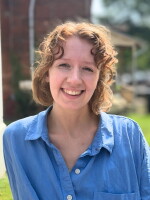
The Delaware Opioid Settlement Commission opened a fourth round of grant funding this month, which uses funds from the state’s opioid case settlements.
Settlement commission director Brad Owens said in round three they awarded approximately $14 million to more than 60 organizations. Between round four funds and grants available for local governments, the commission will distribute approximately $16 million this year. The commission’s largest grant to date is $1 million.
Funds from the round four grants can to organizations' opioid overdoses prevention efforts, including community outreach, supporting treatment providers, and recovery houses.
He said the commission likes to see partnerships between organizations across the continuum.
"When we see organizations that are aware of what's going on with our funds and how they fit in and complement each other, we love to see that the most," he said.
Delaware paused its funding in 2024, during an audit over concerns of fraudulent activity by some grant recipients. When the grants reopened for round three, Owens said the commission wanted to get money into the community quickly. But for the fourth round, it will look for ways to dole out fewer grants with higher sums.
"So instead of granting 60-plus grantees this round, we might grant two thirds of that, so 30 to 40 grantees," he said. "But, with higher budgets that can demonstrate a higher impact over a longer period of time."
The grants are organized in tiers. Micro-grants of up to $10,000 are for smaller, faster-turnaround projects. Mini-grants between $10,000 to $30,000 go to structured projects. General grants for larger organizations and long term work start at $30,000. The application deadline is August 12 - followed by a six-week review of applicants.
Drug deaths in Delaware decreased 36% in 2024 compared to the previous year. Owens attributes successful distribution of naloxone into communities. But the commission needs more data before it draws a direct correlations to its efforts.
Long term, he wants the opioid settlement funds help create a support network so that people who access treatment, "have supports over a long period of time, not just three months or six months or even nine months, but 18 months."
The state is set to receive $250 million in settlement funds over the next 10 to 12 years. It has already allocated about $27 million of that.
Harm reduction and the settle ment fund
A bill the passed through the general assembly in June addresses how the state oversees addiction and overdose prevention programs.
Owens said whether the governor allows SB 249 to become law will not affect how the state distributes opioid settlement funds.
The bill charges Delaware’s Division of Substance Abuse and Mental Health with licensing and regulating harm reduction programs the state partners with. It also asks the state's overdose prevention partners to provide sterile supplies to people.
Owens said because the opioid fund comes from a private settlement, SB 249 doesn’t affect how settlement dollars can be distributed. Harm reduction is included in the settlement agreement.
"There's been a lot of cuts to harm reduction from the federal government," he said. "But the federal government does not dictate the opioid settlement funds. These are private settlement dollars."
Guidance for Delaware's opioid settlement dollars breaks down to treatment and recovery supports, prevention efforts, and efforts for training and research. This leaves room for a wide variety of programs that help with oversight of opioid distributors, healthcare programs like withdrawal management, and recovery housing.
Gov. Meyer has not indicated whether he plans to sign SB 249.